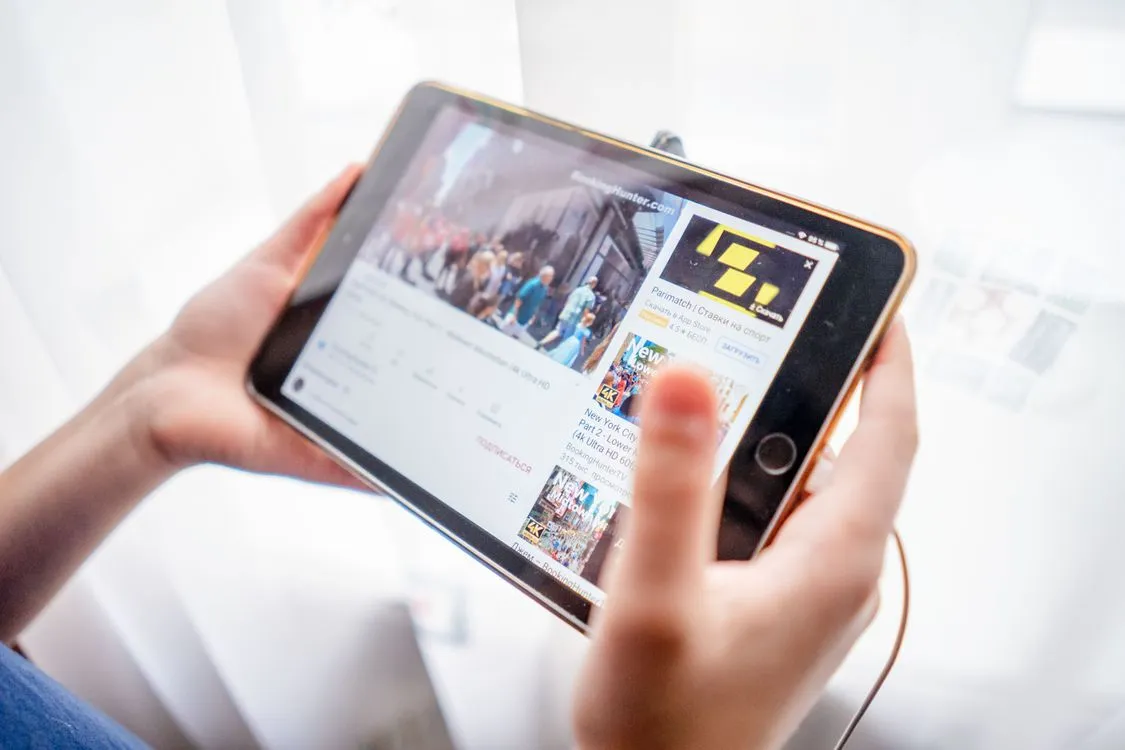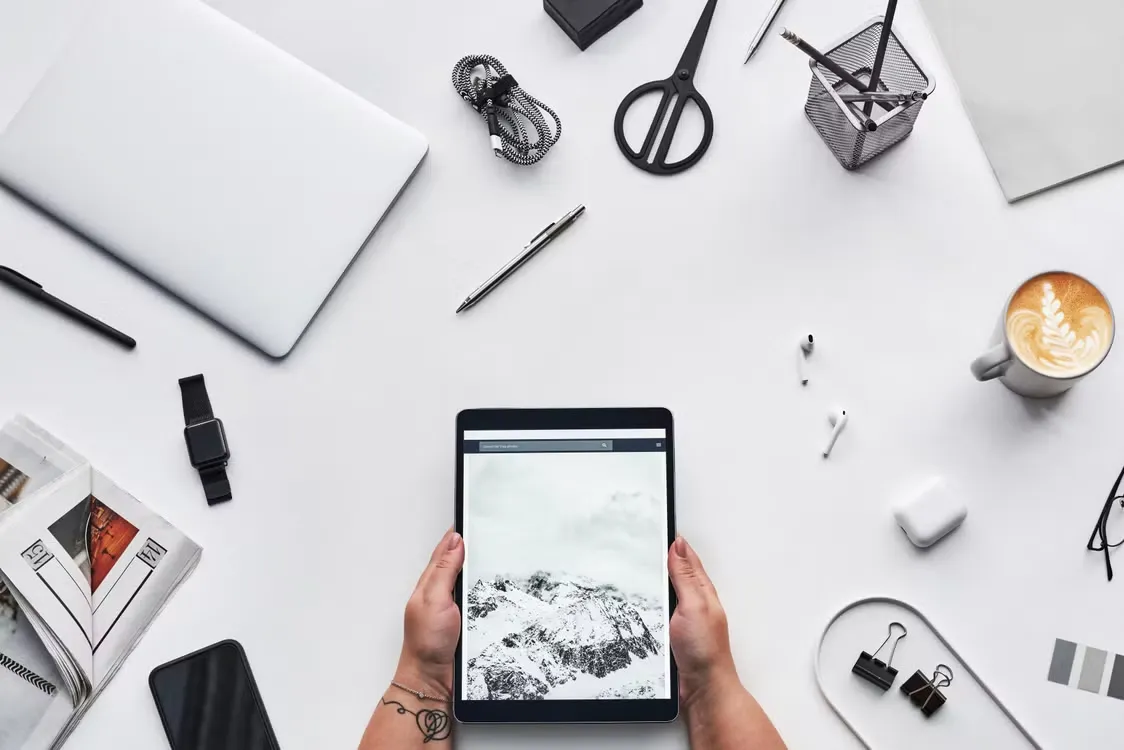
Tablets have already moved far beyond simple browsing and streaming devices. In 2026, they support work, learning, shopping, entertainment, travel, and smart home control.
Beyond 2026, tablets are expected to become even more capable. Better hardware, stronger AI tools, longer battery life, and richer software will make them feel less like secondary screens and more like everyday digital hubs.
More Powerful and Flexible Hardware
Future tablets will likely become thinner, lighter, and stronger at the same time. Screens will keep improving, with brighter displays, sharper colors, faster refresh rates, and better outdoor visibility. This matters because tablets are used in more places now, including cafes, classrooms, airports, hotel rooms, and outdoor workspaces.
Foldable and rollable screen designs may also become more common. A tablet that folds into a smaller size could be easier to carry, while still opening into a large screen for work or entertainment. This would help users who want one device for reading, drawing, video calls, presentations, and travel.
Accessories will improve too. Keyboard cases may feel more like laptop keyboards. Styluses may become more precise. Built-in cameras and microphones will likely support clearer calls, better scanning, and smoother augmented reality experiences.
AI Built Into Daily Use
AI will be one of the biggest changes in tablet technology beyond 2026. Instead of opening separate apps for every task, users may rely on built-in assistants that understand what they are doing on screen.
A tablet could summarize long documents, organize notes after a meeting, clean up messy handwriting, suggest replies, translate conversations, and sort travel plans automatically. For students, AI could explain lessons, create study guides, and turn notes into quizzes. For workers, it could prepare meeting summaries, draft emails, and help manage schedules.
Creative tools will also become more useful. AI can help edit photos, improve videos, create design layouts, and turn rough sketches into polished images. This could make tablets even more attractive for creators who want portable tools without carrying a full laptop setup.
The goal is not to replace the user. The best AI features will reduce small tasks so people can focus on decisions, ideas, and communication.
Longer Battery Life and Faster Charging
Battery life is one of the most important parts of tablet design. A powerful tablet is less useful if it needs to be charged too often.
Beyond 2026, users can expect better battery efficiency from improved chips, smarter screens, and more advanced power management. Tablets may last longer during video calls, gaming, streaming, drawing, and multitasking. This will matter for students, travelers, remote workers, and families who share one device throughout the day.
Charging will also improve. Faster USB-C charging, better power banks, and smarter battery health tools may make tablets easier to maintain over several years. Some tablets may also use adaptive charging to protect battery life by learning the user’s routine.
For long-term travelers, this could reduce stress. A tablet that lasts through flights, train rides, hotel check-ins, and evening entertainment is much easier to depend on.
New Software Experiences
Tablet software will likely become more flexible after 2026. Today, many users still feel that tablets sit between phones and laptops. Future software may close that gap.
Multitasking will become smoother. Users may be able to move between windows, apps, notes, calls, and files with less effort. Cloud storage will feel more natural, with projects following users across phones, tablets, laptops, and smart displays.
Augmented reality will also play a larger role. Tablets can show digital information over real spaces, making them useful for shopping, learning, tourism, home design, and gaming. A user could preview furniture in a room, scan a product for details, or explore a museum with extra information on screen.
Entertainment will keep changing too. Better speakers, brighter screens, cloud gaming, and interactive video features will make tablets stronger leisure devices. Some users may also enjoy casual online activities such as Online Bingo Rooms during quiet evenings, as long as they follow local rules and play responsibly.
Businesses Will Adopt Tablet Technology Fast
Businesses often adopt tablet technology when it improves service, speeds up transactions, or makes customer experiences more engaging. Restaurants already use tablets for menus and ordering. Hotels use them for check-ins, room controls, and guest requests. Retail stores use them for product lookup, payments, and inventory.
Casinos are clear examples of businesses that move quickly with customer-facing technology. Many casino resorts combine gaming, hotels, dining, rewards programs, shows, spas, shops, and events in one place. Tablets can help staff assist guests faster, show personalized offers, manage bookings, explain loyalty rewards, and support interactive entertainment.
What Comes Next
The future of tablets beyond 2026 will focus on practical improvements. Better screens, stronger AI, longer battery life, flexible designs, and smarter software will make tablets more useful across daily life.
They may not replace every laptop or phone, but they will keep gaining importance. For many people, the tablet will become the device they reach for when they want one screen that can handle work, entertainment, planning, shopping, learning, and travel.
The next stage of tablet technology will be less about novelty and more about usefulness. The best tablets will help people do more with less effort, wherever they are.