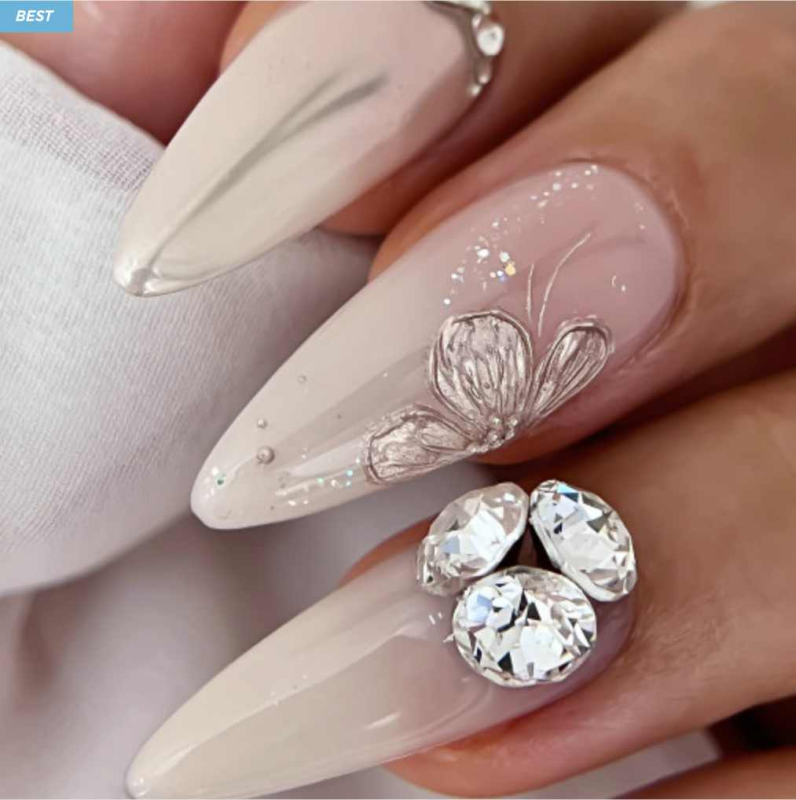
A gel manicure can look attractive at first glance and still feel unfinished when small details are overlooked. Uneven shape, inconsistent colour, crowded decoration, or poor balance between nails can all reduce the impact of an otherwise strong design.
For nail technicians and enthusiasts, the solution is not always to add more. Careful planning, controlled application, and a clear visual direction usually create a cleaner result than combining several techniques without a purpose.
Too Many Ideas Can Make a Design Feel Busy
One common mistake is trying to include glitter, magnetic effects, chrome, gems, bold colour, and line work in the same manicure. Each technique can look good alone, but together they may compete for attention.
A stronger approach is to choose one main feature and let the rest support it. If magnetic gel is the focus, the remaining nails can use a simpler glossy finish or a related colour.
Uneven Colour Can Break the Overall Balance
Colour consistency matters, especially with sheer and syrup-style gels. If one nail looks much darker or more opaque than the others, the difference can become noticeable even when the design itself is attractive.
Thin, controlled coats make it easier to build colour gradually. Checking both hands together before moving on can also reveal uneven depth that may not be obvious when each nail is viewed separately.
Nail Shape Should Support the Design
A strong design can still look untidy if the nail shapes are inconsistent. One nail that is noticeably longer, wider, or more pointed than the others can disturb the balance of the set.
The design should also suit the available space. Short nails often benefit from simpler placement, while longer shapes can provide more room for layered effects or decorative detail.
The Finish Needs to Match the Intended Look
The same colour can create a different impression depending on the finish. A glossy nude can feel clean and classic, while a magnetic or glitter version may appear more expressive.
This is where Korean Nail Gel Polish can offer useful variety. Sheer, syrup, magnetic, glitter, and opaque finishes can serve different design goals, so choosing the finish before adding decoration helps keep the manicure consistent.
Accent Nails Work Best With Restraint
Accent nails introduce contrast without changing the entire set. Problems start when every nail becomes an accent and there is no clear focal point.
One or two feature nails are often enough. Repeating a colour, metallic detail, or finish elsewhere can connect the accents to the rest of the design without making everything identical.
Decoration Should Fit the Nail Size
A detailed design that looks balanced on a long almond nail may feel crowded on a short rounded nail. Scale matters because the same decorative element can appear very different depending on the available surface.
Smaller nails may suit fine lines, tiny gems, or a compact magnetic effect. Adapting the artwork rather than copying a reference image exactly can make the finished manicure look more considered.
Both Hands Should Feel Connected
The two hands do not need to match perfectly, but they should feel as though they belong to the same design. A manicure can look unbalanced if one hand contains several strong effects while the other is almost plain.
A repeated shade, finish, or small detail can create continuity. This works especially well for asymmetrical sets, where variety is intentional but the overall look remains connected.
Trends Should Be Adapted, Not Copied Blindly
Trend-led nail art can inspire, but a popular design will not suit every client, nail length, or lifestyle. Copying it exactly may produce a result that looks impressive in a photo but feels impractical in daily wear.
Changing the colour, reducing decoration, or choosing a softer finish can make the same idea more personal. A trend becomes more useful when it is adjusted to the person wearing it.
Final Checks Can Improve the Result
Before finishing, review the full set rather than focusing on one nail at a time. Check shape consistency, colour depth, accent placement, and whether any detail feels out of place.
This final review can reveal small issues that are easy to correct. It also encourages a more professional approach by treating the manicure as one complete design rather than separate nails.
Conclusion
A polished gel manicure depends on more than attractive colour or fashionable effects. Consistent shape, controlled application, balanced accents, suitable finishes, and careful spacing all influence the final result. By avoiding overcrowding, adapting designs to nail size, and reviewing both hands as one complete set, nail technicians and enthusiasts can create manicures that feel more intentional, wearable, and visually refined without relying on unnecessary complexity.