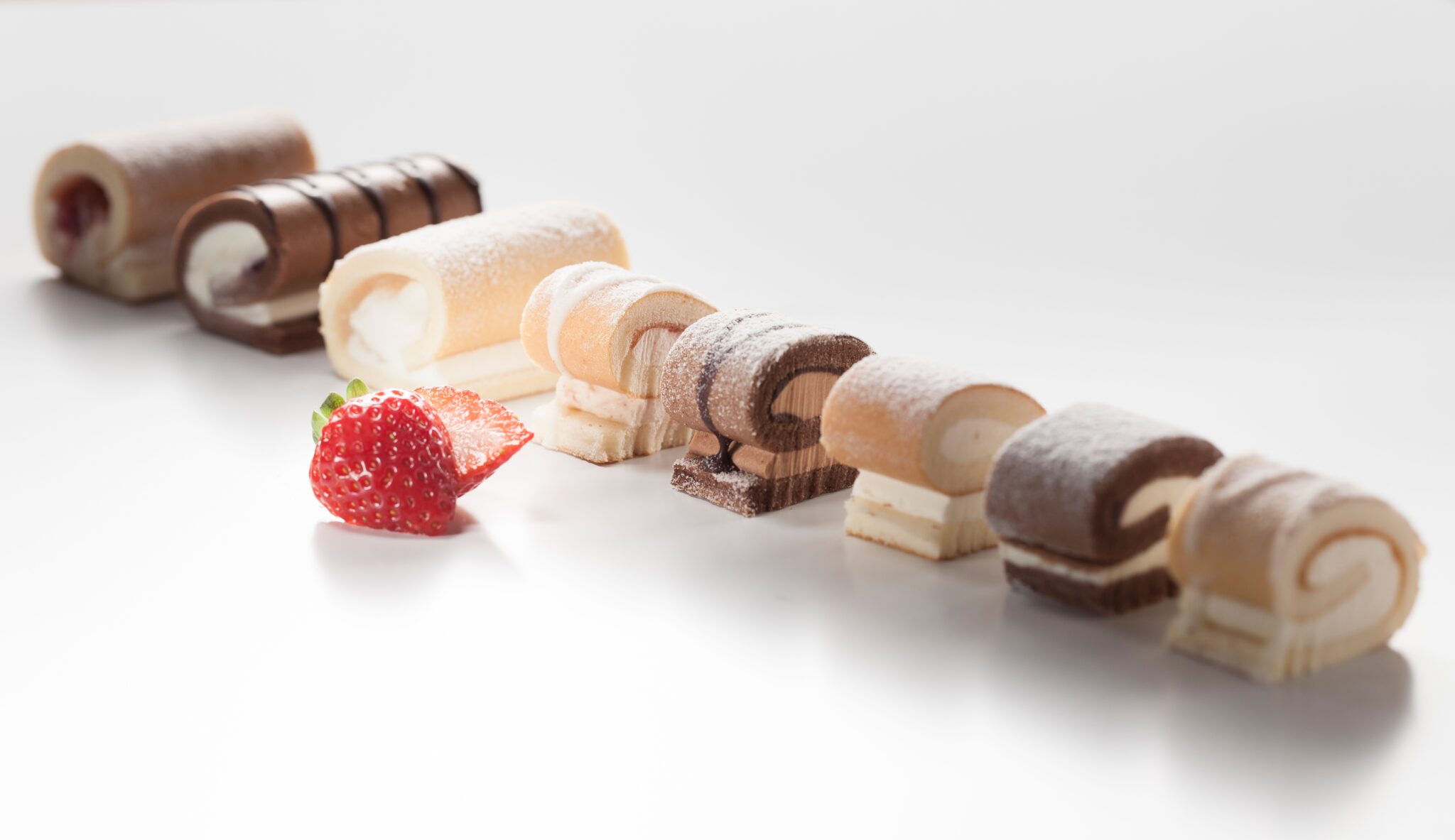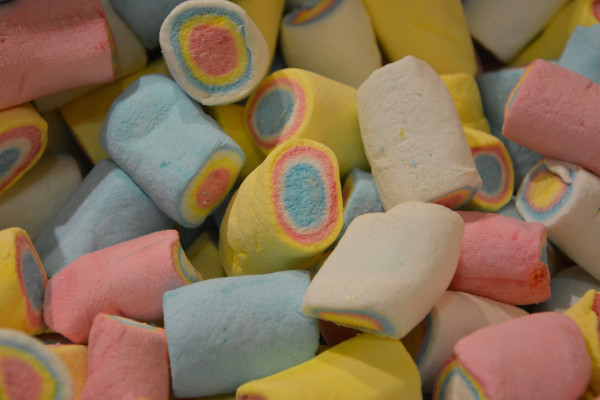
Immediately, a presentation of colorfully painted candies comes in, and taste becomes secondary. Excitement is characterized by color in confectionery aisles. The current brands are required to be vibrant without the need to sacrifice safety as well as transparency. This paper gives an insight into the role of candy food coloring and natural orange food coloring in affecting the contemporary sweets production, consumer perception, and regulatory congruence in a fast-changing global confectionary market.
Changing Landscape Of Candy Colors
In recent years, the preferences in terms of colorings have changed drastically due to consumer awareness. The use of synthetic dyes used to be predominant, but the need to have cleaner labels has necessitated reformulations. Manufacturers are more concerned with stability, sourcing and compliance. Candy coloring products that are depended upon should be able to balance out the brightness along with safety and should perform as required in the various categories of confectionery, as well as in global markets.
Science Behind Vibrant Formulations
Production of candy subjects the pigments to heat, crystallization of the sugar and long storage. Candy food coloring has to have high quality so that it does not fade away and is evenly dispersed in gummies, hard candies and coatings. In the meantime, orange food coloring made of plants is employed. Use ingredients such as beta-carotene or paprika extract to become dependable and attractive citrus-colored colors.
Applications Across Sweet Categories
The various types of candies need performance-specific pigments. Coating chocolate and jellies, and sugar shells rely on the uniform coloring to strengthen flavor anticipations. Natural orange food coloring. adds color to sweets made with fruits so that it visually indicates the freshness of citrus. Combined with stable food coloring of candy, makers hold the branding of whole lines of products together.
Regulatory Compliance And Safety
The world of food regulators is getting strict on the use of artificial additives, and therefore, compliance is a compulsory requirement. The candy food coloring suppliers should be able to comply with high-purity and labeling requirements in order to be export-viable. Likewise, manufacturers of natural orange food color. Focus on traceable botanical sourcing, safer ingredient profiles and easier approval procedures across regional markets.
Branding And Market Differentiation
Brand recognition and shelf visibility are determined by color consistency. The bright colors obtained with the help of reliable candy food colorants reinforce the recall memory of the consumers and encourage impulse purchases. The use of natural orange food colouring. also sends an image of transparency and ingredient consciousness to the health-conscious consumer who desires attractive confectionaries products that are excellent looking but responsibly made.
Innovation And Sustainable Progress
The technological developments also keep on enhancing the stability of pigments and environmentally friendly production. The formulations of modern candy food colorings apply encapsulation methods to lengthen shelf life and preserve color. Simultaneously, sustainable extraction methods improve the natural orange food coloring, in accordance with the confectionery innovation and environmental responsibility and performance in the long-term market perspectives.
Conclusion
Visual splendour continues to be at the centre of confectionery achievement. To get higher levels of natural coloring solutions and industry knowledge, go to foodrgb.com. shows how innovation can be used to retain the color without damaging safety, compliance, and sustainability requirements. Due to the changes in the expectations of consumers, the responsible color formulation will remain a factor in the competitive environment of the candy production in the world.